Surprising Facts About the French Riviera: Perfume, Lemons and an Iron Mask
The short answer. The coast is better known for casinos and film stars than for what is strange about it: a perfume craft on UNESCO's list, a state prisoner in an island cell, monks who sell their own wine, a wine appellation inside a city's own limits, and a mimosa forest that turns the hills yellow in February. Each fact below comes with where to see it, and how the French Riviera tickets on offer get you there.
A perfume craft is world heritage
In 2018 UNESCO added the perfume skills of the Pays de Grasse to its list of the world's intangible heritage. The listing covers three things: growing the flowers, turning them into raw materials, and the art of composing a scent. You can watch the making for free: Fragonard's historic factory in Grasse gives guided visits daily, and the International Perfume Museum costs €6. Its smaller factory in Èze is the one most road days stop at.
The Man in the Iron Mask was held off Cannes
Fort Royal, on the island of Sainte-Marguerite, holds the cell of the most famous unnamed prisoner in French history. The fort is now the Musée du Masque de Fer, and entry is €6.50, free under 18. From June to September it opens daily from 10:00 to 17:45, so a morning crossing leaves the whole afternoon for the island. The ferry from Cannes takes about 15 minutes, and the private boat from the Croisette anchors off the island for an hour.
Island monks make wine
On Saint-Honorat, the smaller of the Lérins Islands, a community of Cistercian monks runs a monastery founded around the year 400. They farm their own vineyard and sell the wine and liqueurs they make, so you can taste an island vintage where it grew. Planaria, the abbey's own ferry, sails from Cannes' Old Port in about 20 minutes for €19.50 return.
Nice has a wine appellation inside the city
Bellet is one of the rare French appellations that sits within a city's own limits, on the hills behind Nice. The vines are close enough for you to ride to: the organic vineyard e-bike ride climbs out of the centre to a family estate for a walk in the vines and a tasting. If you prefer to sit, the tasting rooms in town are on our page of wine tours on the French Riviera.
Chagall lies in a hill village cemetery
Marc Chagall lived in Saint-Paul-de-Vence from 1966, died there on 28 March 1985, and is buried in the village cemetery. The Fondation Maeght, just outside the walls, shows modern art in its own gardens and costs €18, free under 16.
Monaco's palace is shut for half the year
The Prince's Palace is a working residence, and its State Apartments open to visitors only from 30 March to 15 October, from 10:00 to 18:00 (to 19:00 in July and August), for €13. They also close on the Grand Prix weekend. Outside that window you see the palace from the square, which is exactly what every road day from Nice does anyway: the stop is the square, never the rooms.
You can take the local train to Italy
The coastal line does not stop at the border. It runs through Menton and on to Ventimiglia in Italy, about 48 minutes from Nice, and Ventimiglia is only about 11 km from Menton by road. A full single from Nice to Menton costs €7.70, so lunch in Italy is a cheaper day out than most museums on the French side.
The rain comes in November, not in summer
Summer here is dry, and the rain arrives in autumn. In Météo-France's 1991-2020 averages for Nice, November is the wettest month, at about 138 mm. It is also the month when the fewest boats sail, so a late-autumn trip suits road days and museums better than the sea.
The film festival turns 80
The Festival de Cannes holds its 80th edition from 11 to 22 May 2027. The Palais des Festivals stands on the Croisette, and the road days from Nice that head west stop outside it, giving Cannes anywhere from 20 to 90 minutes.
More facts, briefly
- You land at France's third-busiest airport. About 15.23 million passengers passed through Nice in 2025, behind only the two Paris airports.
- Americans lead the foreign visitors. The United States is now the first foreign market, ahead of the United Kingdom, Italy, Germany and Scandinavia. Just over half of all visitors come from abroad, and in July and August foreign guests fill nearly 60% of the nights.
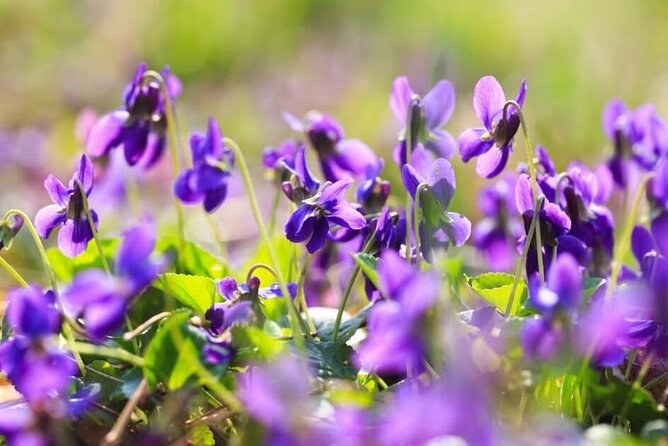
- The mimosa forest is Europe's largest. It covers the Tanneron hills, flowering from January to early March along a 130 km route that ends in Grasse.
- The guard changes at 11:55. Not noon: if you arrive on the hour, you have missed the start of the ceremony outside Monaco's palace.
- Lemons get their own festival. Menton's Fête du Citron runs from 13 to 28 February 2027, and the Menton food walk tastes the town year-round.
- A fort with its museums shut. Villefranche-sur-Mer's fort courtyards are free, but the museums inside have been closed for renovation since January 2022.
Facts by where you can see them
| Fact | Where | Cost to see it |
|---|---|---|
| UNESCO-listed perfume craft | The perfume town inland | Free factory; museum €6 |
| The Iron Mask's cell | Sainte-Marguerite, off Cannes | €6.50, free under 18 |
| Monks who make wine | Saint-Honorat, off Cannes | Ferry €19.50 return |
| Chagall's grave | The art town inland | Free |
| The Changing of the Guard | Monaco, palace square | Free, daily at 11:55 |
| The mimosa forest | The Tanneron hills, January to March | Free |
Most of these sit on a road day or a boat from Nice. The month each one happens is on the best time to visit, the towns are laid out on things to do, and the visitor guide covers the trains and buses. For the coast as a whole, read the coast town by town. The questions visitors ask most are answered on our FAQ page.
See the facts for yourself
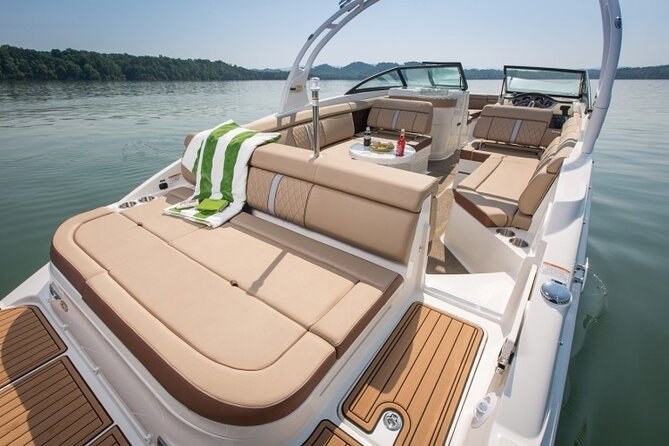
Private escape to discover Cannes & Lerins Islands from the sea
Four hours on a private boat from the Croisette for up to eleven, priced per group: out to the islands, an hour at anchor, snorkel gear and a paddleboard.
From $476 per group (up to 11) plus €300 captain and service, per booking
Check Availability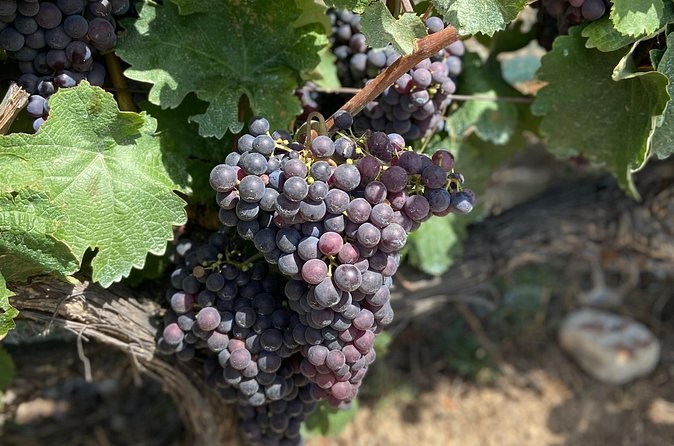
Small Group Guided E-bike Tour in Nice's Organic Vineyard
Four to five hours on an e-bike from central Nice to an organic vineyard in the hills above the city, with a walk in the vines and a tasting. Ages 15 and up.
From $127 per person
Check Availability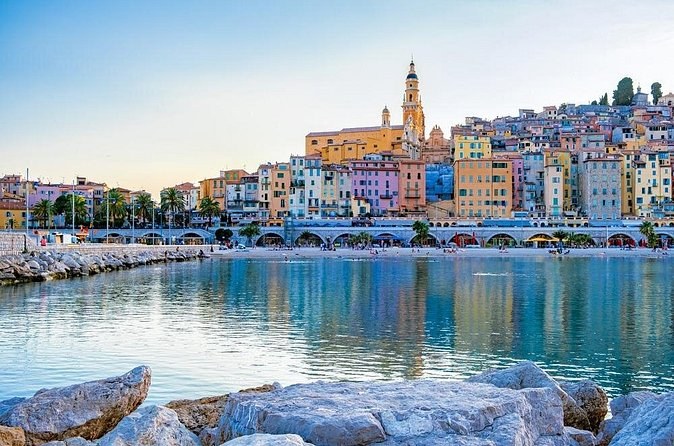
Gourmet Food Tour in Menton - 3 hours - Small Groups
Three hours on foot in Menton with lunch: the market hall, the beach, the old town lanes and the food of the lemon town. Up to ten people.
From $116 per person
Check AvailabilityNext: Pick the fact you most want to stand in front of, then find the day or the boat that stops there. Every fare sits side by side on French Riviera Tours.