The French Riviera Without a Tour: Trains, Buses, Ferries and the Free Sights
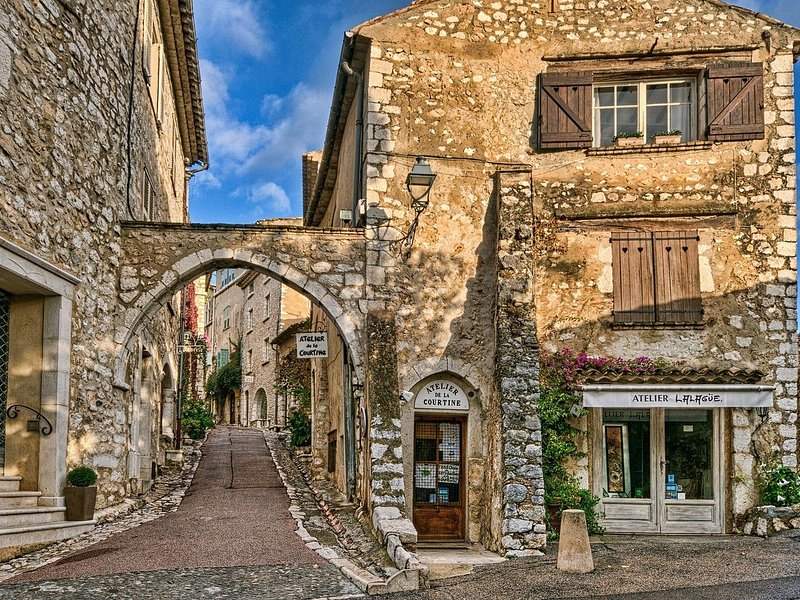
Most of this coast is free and joined by a train. You can see a great deal of it without a tour, and this guide shows how. It also says where a tour earns its fare: the hill villages, the coast from the sea, and a long day when time matters more than money. For those, the French Riviera guided tours are compared on their own pages.
What can you do alone, and what can't you?
Alone, you can do every town on the shore: Nice, Villefranche-sur-Mer, Beaulieu, Monaco, Menton, Antibes and Cannes. The train calls at all of them. You can reach the islands off Cannes by ferry and the village above Monaco by bus.
What is hard alone is the country behind the coast. The inland villages sit on buses that run rarely or not at all, and a car is the only easy way between them. The coast from the sea needs a boat, and the boats here are tours or private hires.
How does the coastal train work?
The TER line runs along the shore from Cannes through Antibes and Nice to Monaco, Menton and over the border to Ventimiglia. From Nice-Ville it takes 11 to 13 minutes to Antibes and about 27 minutes to Cannes on the fastest direct trains. East, it takes about 22 minutes to Monaco and about 48 to Ventimiglia.
On the way to Monaco it calls at Villefranche-sur-Mer, Beaulieu-sur-Mer, Èze-sur-Mer and Cap d'Ail. There are about 60 trains a day, so you rarely wait long.
| From Nice to | By train | Full single fare |
|---|---|---|
| Antibes | 11 to 13 minutes | — |
| Cannes | About 27 minutes | — |
| Monaco | About 22 minutes | €6.10 |
| Menton | — | €7.70 |
| Ventimiglia | About 48 minutes | — |
Where do you get off for the small towns on the shore?
At Villefranche-sur-Mer, the courtyards of the Citadelle Saint-Elme are free. The museums inside have been closed for renovation since January 2022. The Cocteau chapel by the harbour opens mornings and afternoons, but closes on Tuesdays and from mid-November to mid-December.
At Beaulieu-sur-Mer, Villa Kérylos opens from 10:00 and costs from €15. From there you walk out to Saint-Jean-Cap-Ferrat, which has no station of its own. Villa Ephrussi de Rothschild on the cape costs about €18-20.
How do you get to Monaco by train?
From Nice-Ville to Monaco-Monte-Carlo, about 22 minutes and €6.10 each way. From the station you walk to the palace square for the Changing of the Guard at 11:55, or down to the harbour and the casino.
The palace apartments cost €13 and open from 30 March to 15 October. The Oceanographic Museum costs €22.50. The streets, the harbour and the guard cost nothing.
How do you reach the village above the sea by bus?
Two buses climb from Nice: line 82 on the city network, and line 602 on the regional one. Line 602 does not run on Sundays. A Ticket Azur at €2.50 covers one city trip plus one connection onto a regional line within two and a half hours.
At the top, the Fragonard factory gives free visits of about 30 minutes, roughly every half hour. The Jardin exotique at the summit costs €10 and opens daily from 9:00 to 16:30.
What about Menton and Antibes?
Both are on the train. Menton is €7.70 from Nice, and the line runs on into Italy. The old town climbs above the beach, and the lemon festival fills it in February. Antibes is 11 to 13 minutes from Nice. The Picasso museum in the Château Grimaldi costs €6 and closes on Mondays, and the Provençal market on Cours Masséna runs every morning but Monday from September to May.
How do you get to the art village inland without a car?
It takes three legs. Tram 2 to Parc Phoenix, bus 9 to Vence, then bus 655 for about five minutes. The old direct line 400 no longer runs, whatever older guides say. Allow the morning.
In the village, the Fondation Maeght costs €18 and is free under 16. Marc Chagall is buried in the village cemetery.
How do you get to the islands off Cannes?
Two ferries leave Cannes. The Trans Côte d'Azur boat crosses from Quai Max Laubeuf to Sainte-Marguerite in about 15 minutes, roughly hourly. Planaria, run by the abbey, sails from the old port to Saint-Honorat in about 20 minutes, €19.50 return for an adult in 2026.
On Sainte-Marguerite, the fort's museum holds the Man in the Iron Mask's cell, for €6.50 and free under 18. On Saint-Honorat, the monks sell the wine they make.
What about the perfume town and the villages behind it?
Grasse is the easiest of them. Fragonard's historic factory there gives free guided visits daily, and the International Perfume Museum costs €6. Gourdon and Tourrettes-sur-Loup are harder, and a car or a tour is the practical way to reach both. That is the day a tour saves you the most.
Which sights along the coast are free?
- Castle Hill in Nice: the park and its lift, open from 08:30.
- The seafronts: the promenades of Nice, Cannes and Menton.
- The old towns: Nice, Antibes, Menton and the hill villages, on foot.
- The markets: the Cours Saleya in Nice, the Forville in Cannes and the Provençal market in Antibes, all closed on Mondays outside summer.
- The perfume factories: Fragonard's free guided visits in the village above the sea and in the perfume town.
- Monaco: the Changing of the Guard at 11:55, and the casino's Atrium.
A week of free sights and trains costs less than one road day. What it does not buy is the villages and the sea.
How do you get from the airport without a taxi?
Tram line 2 runs from Terminals 1 and 2 through the centre to the port, roughly every eight minutes. From the centre, Nice-Ville station is a short tram or walk away, and the coast opens from there.
Should you rent a car?
Only for the villages inland. Along the shore the train is quicker than the traffic, and parking in the towns is scarce in summer. For one day of villages, compare a car against the villages day at $149 a person, which does the driving and the parking for you.
Which town makes the best day by train?
- Monaco: 22 minutes, for the guard at 11:55, the old town and the harbour.
- Antibes: 11 to 13 minutes, for the morning market, the ramparts and the Picasso museum.
- Menton: €7.70, for the old town above the beach and the lemons in February.
- Villefranche-sur-Mer: the first stop east, for the harbour and the free courtyards of the fort.
Each of those is a morning or an afternoon, so you can pair two in a day. Monaco and the bus up to the village above it make the fullest one. Start early: the guard changes at 11:55, and the bus up the hill is the slow part of the day.
What does a guide add?
Three things. The stories: why Monaco is its own country, what the monks do on their island, how the perfume is made. The timing: a guide knows when the lanes are full and when they clear. And the villages: a driver takes you to places the buses barely reach.
What a guide does not add is access. No tour here includes a paid interior, and no road day takes you inside the palace or a museum.
When is the tour the cheaper option?
| Trip | On your own | With a tour | What you miss alone |
|---|---|---|---|
| Monaco and the village above it | Train €6.10 each way, a bus ticket | $75 to $111 a person | Nothing, if you plan the buses |
| The western coast and the art village | Two trains and three buses | $85 to $110 a person, long day | Most of a day to transfers |
| The villages inland | A rental car | $149 a person | Two villages the buses barely reach |
| The coast from the sea | Not possible | $62 to $87 a person | The caves and the coves |
On price alone, the train wins for Monaco. On time, the long day wins for the western coast. For the villages and the sea, there is no real alternative to a tour.
A two-day plan on your own
Day one: the train to Monaco for the guard at 11:55, then the bus up to the village above the sea and back down to Nice. Day two: the train to Antibes for the market and the ramparts, then on to Cannes and the ferry to Sainte-Marguerite. Add the sunset boat on either evening from April to October, since the sea is the one part you cannot reach alone.
Our visitor guide has the tram from the airport and the tickets, and our month-by-month guide shows when the trains and boats are busiest.
Frequently asked questions
What is the Ticket Azur?
Is there a tram from the airport?
How do I get from Nice to Monaco without a tour?
Is the Fragonard perfume factory free?
Should I rent a car for the coast?
Is entry to the Prince's Palace or the museums included?
Tours for what is hard alone
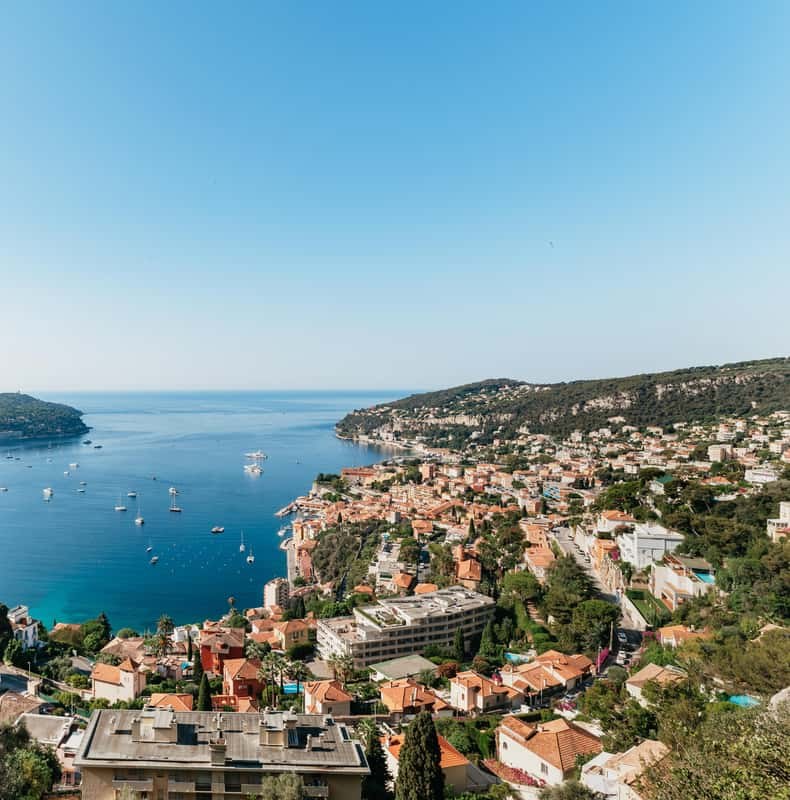
From Nice: French Riviera in One Day
Nine hours by road from your hotel in Nice with a driver-guide, the perfume factory visit included. The most-reviewed day on the coast.
From $85 per person
Check Availability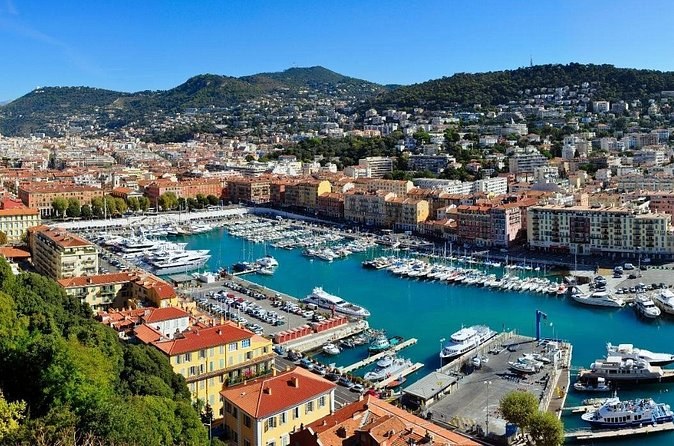
Eze, Monaco & Monte-Carlo Half Day Shared Tour from Nice
Four and a half hours from your hotel in Nice at the lowest half-day fare: the hill village, a free perfume-factory visit and the casino square. Admission fees are extra.
From $75 per person, bookings of two
Check Availability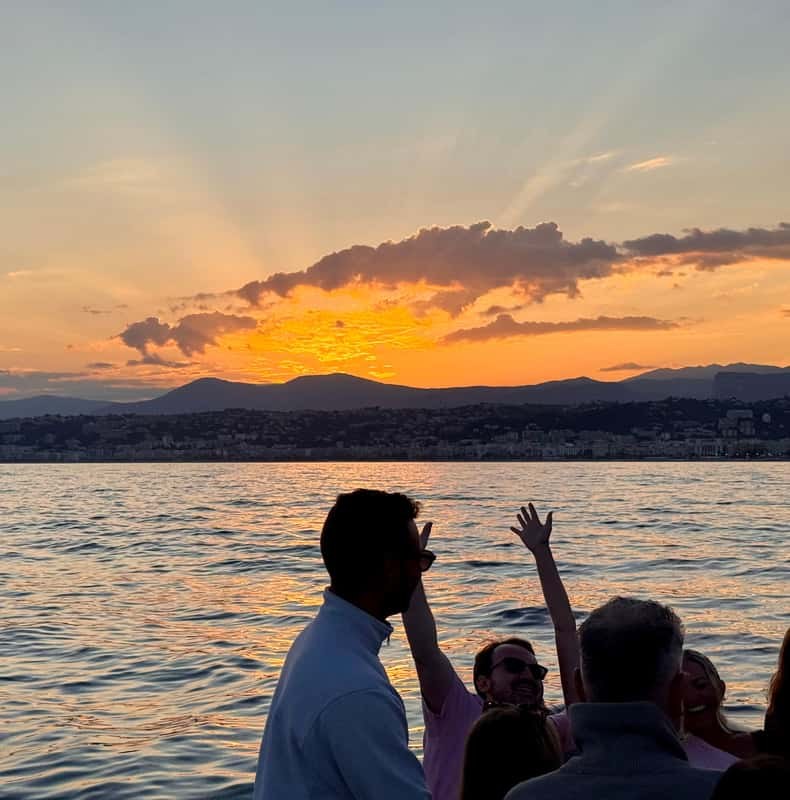
Nice: Sunset Boat Tour with Wine and Local Snacks
An evening boat from the port of Nice to the cape, with wine and local snacks at anchor and a swim if you want one. It sails from 1 April to 30 October.
From $62 per person
Check AvailabilityNext: Decided to book one after all? Our comparison of every kind of tour shows which to pick. Every fare sits side by side on French Riviera Tours.